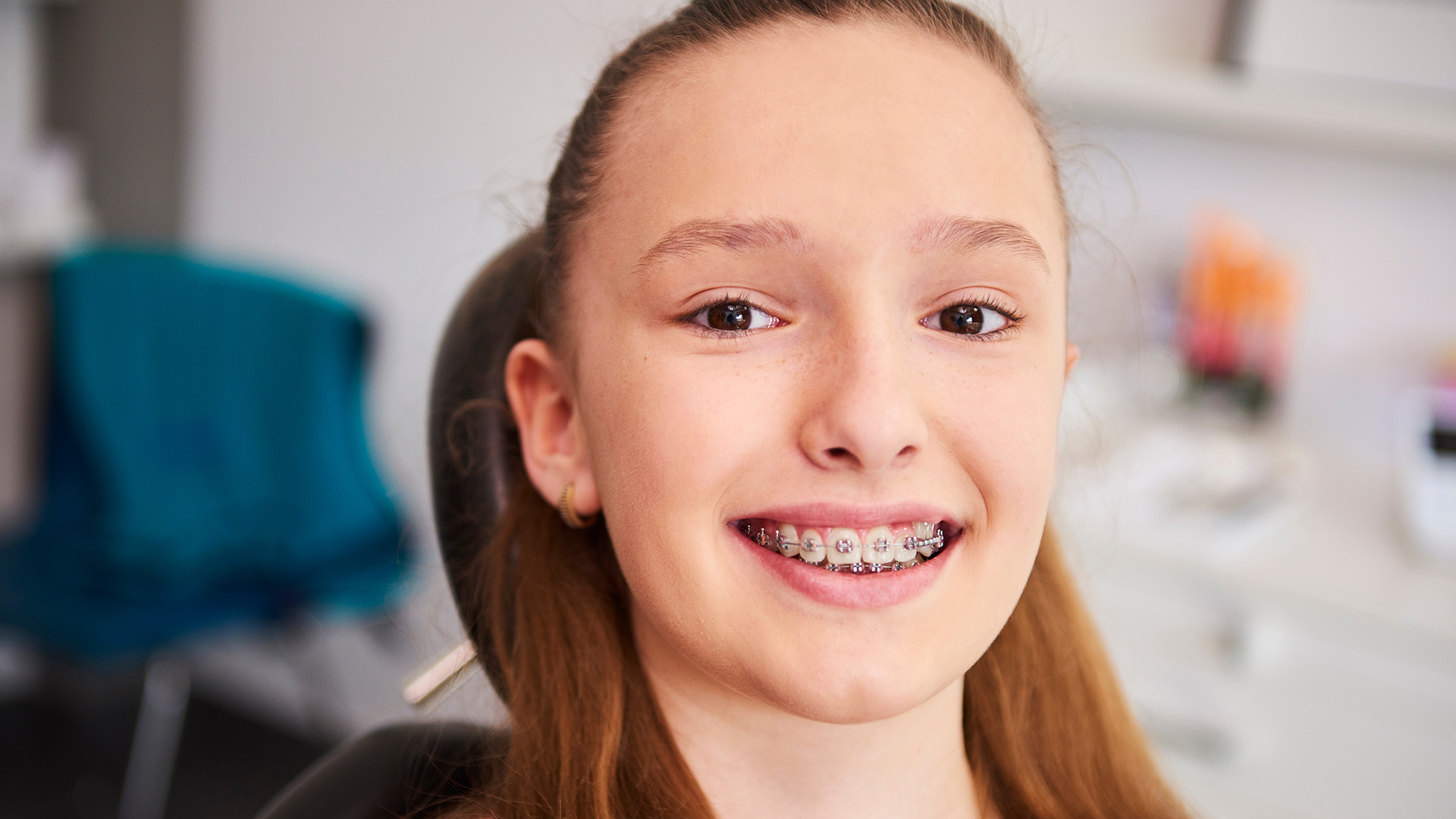
Wondering if braces are right for you or your child? Orthodontic treatment does more than straighten teeth, it can improve bite function, support oral health, and boost confidence. Use this guide to spot the most common signs you might need braces, learn when to schedule an evaluation, understand treatment options, and plan for costs and next steps. Find out how to know if you need braces using this guide to help you assess symptoms and decide when to see an orthodontist.
Common Signs You Might Need Braces
Braces or clear aligners are often recommended when teeth and jaws do not fit together properly. If any of the following sound familiar, it’s a good idea to book an orthodontic consultation. Many people start by identifying these visible and functional clues.
Visible tooth alignment issues
- Crowding: Teeth overlap or twist due to limited space. You may notice teeth positioned behind or in front of others, or find flossing difficult.
- Spacing: Gaps between teeth can occur naturally, after tooth loss, or when teeth are smaller than the available space.
- Rotations or crooked teeth: Teeth turned out of position can affect the smile line and make cleaning more challenging.
Bite problems and how they show up
- Overbite: Upper front teeth overlap the lower teeth more than normal. You might notice a deep bite appearance, lip biting, or extra wear on the lower teeth.
- Underbite: Lower front teeth sit ahead of the upper teeth, affecting chewing efficiency, facial balance, and tooth wear.
- Crossbite: Some upper teeth bite inside the lower teeth. This can contribute to gum recession, uneven wear, and jaw shifting during chewing.
- Open bite: Front teeth do not meet when you bite down, leaving a gap when back teeth touch. This can make it hard to bite foods like sandwiches and may affect speech.
Functional symptoms
- Difficulty chewing or biting through certain foods
- Speech issues such as lisping or trouble pronouncing specific sounds
- Jaw discomfort, headaches, or clicking/popping at the jaw joint
- Frequent biting of cheeks, lips, or tongue
If you recognize any of these signs, an orthodontic exam can confirm what’s happening and whether braces, aligners, or another approach is right for you. Understanding often starts with a professional evaluation to clarify the cause and best course of action.
When to Seek an Orthodontic Evaluation
Recommended ages and milestones
- Children: The American Association of Orthodontists recommends a check-up by age 7. Early evaluations help identify developing issues, such as crossbites, crowding, or jaw growth concerns, and guide timing for interceptive treatment if needed.
- Teens: As most permanent teeth come in, bite and alignment issues are easier to diagnose and treat. Early teen years are a common time to start braces or aligners.
- Adults: It’s never too late. Adults pursue orthodontic care for function, to prepare for restorative work, or to enhance their smile.
Signs to act on early
- Early or late loss of baby teeth, or delayed eruption of adult teeth
- Mouth breathing, snoring, or thumb-sucking habits beyond age 4–5
- Jaw shifting to one side, ongoing chewing difficulties, or persistent speech concerns
What happens during an initial exam
- X-rays: Assess tooth roots, jaw bones, and eruption patterns
- Photos: Document your smile, bite, and facial balance
- Digital scan or impressions: Create a precise 3D model of your teeth
- Bite analysis: Evaluate how upper and lower teeth fit and how the jaws function
- Treatment planning: Review findings, discuss options (braces, aligners, other appliances), estimate timeline and costs, and outline next steps
Dental health factors that affect timing
- Tooth wear, chipping, gum recession, or TMJ symptoms may indicate that misalignment is stressing teeth or joints. Addressing alignment sooner can protect teeth and reduce the risk of further damage.
- Active cavities or gum disease should be treated first. Orthodontics is most effective on healthy teeth and gums, and your orthodontist will coordinate with your general dentist as needed.
Treatment Options and What to Expect
Overview of treatment paths
- Traditional braces: Metal or ceramic brackets with wires guide teeth into position. Braces are highly effective for crowding, rotations, bite corrections, and complex cases.
- Clear aligners: A series of removable trays gradually shift teeth. Aligners can treat many alignment and bite issues, especially mild to moderate cases, and are popular for their discreet look and easy hygiene.
- Retainers: Used after active treatment to maintain results; in select cases, retainers can make minor adjustments.
Your orthodontist will recommend the right approach for your smile, bite, lifestyle, and goals.
Typical timeline and appointments
- Duration: Most treatments take 12–24 months. Complex bite corrections or impacted teeth may take longer, while minor issues can be completed in under a year.
- Appointment frequency: Braces adjustments or aligner check-ins usually occur every 6–10 weeks. Some aligner cases may use remote monitoring to reduce in-office visits.
- What influences the timeline: Case complexity, growth patterns, oral hygiene, keeping appointments, and consistent aligner wear (typically 20–22 hours per day) all play a role.
Comfort, care, and maintenance
- Oral hygiene: Brush after meals and floss daily. Interdental brushes, floss threaders, or water flossers help around brackets and between teeth. For aligners, brush and rinse trays with lukewarm water and store them in their case when not worn.
- Diet modifications: With braces, avoid very hard, sticky, or chewy foods that can break brackets or bend wires. Cut crunchy foods into smaller pieces. Aligners are removed for meals, so you can eat normally, then brush and reinsert.
- Common side effects: Temporary soreness after adjustments, minor cheek or lip irritation, and brief speech changes with new appliances. Orthodontic wax, saltwater rinses, and over-the-counter pain relief can help. If a wire is poking, a bracket breaks, or an aligner is lost, call your orthodontic office for guidance.
Costs, Insurance, and Next Steps
What affects cost
- Case complexity and expected treatment length
- Type of appliance (metal braces, ceramic braces, clear aligners)
- Need for additional appliances (expanders, elastics, temporary anchorage devices)
- Location and follow-up care, including retainers
Insurance and financing
- Dental insurance may include an orthodontic benefit with a lifetime maximum and possible age limits. Plans vary; a treatment coordinator can verify benefits and provide a pre-treatment estimate.
- Flexible spending accounts (FSA) and health savings accounts (HSA) can often be used for orthodontic treatment.
- Many practices offer monthly payment plans with low or no interest to spread costs over your treatment timeline.
How to prepare for a consultation
- Bring recent dental records if available, including X-rays and recent exam notes, plus a list of medications or dental concerns.
- Share your goals: closing gaps, improving bite function, straightening crowded teeth, or preparing for cosmetic or restorative dentistry.
- Ask focused questions: Which options fit my case? How long will treatment take? What are the total fees and what is included (records, emergency visits, retainers)? How often are visits? What habits will help me finish on time?
Next steps
If you are noticing crowding, bite issues, or functional symptoms, schedule an orthodontic evaluation. A personalized plan can help you achieve a healthy, confident smile, with clear expectations for treatment, cost, and timing. An in-person assessment is the most reliable way to confirm your needs and map out a path to long-term oral health.